
Dance Floors & Studios, Studio Help Blogs
Understanding the Slip Co-Efficient of your Dance Floor Vinyl and its characteristics

Dec
We consistently hear our clients refer to dance floor vinyl as ‘Tarkett’ or the American term ‘Marley’, as much as we’d love to have this generalisation of ourselves but what it really should be known as is vinyl flooring or dance vinyl.
At STM Studio Supplies, we understand the importance of selecting the right dance vinyl to enhance your dance experience.
In the vibrant world of dance, the choice of vinyl can significantly impact the dancer’s performance, comfort, and style. In this guide, we’ll delve into the intricacies of speeds and slip coefficients of your dance floor vinyl and choosing the best vinyls for various dance styles, incorporating insights from our comprehensive STM Dance Vinyl Reference Guide. We’ll also explore the suitability of vinyls for touring, semi-permanent installations, and permanent glue-fixed scenarios ina later blog post.




Understanding Dance Vinyls
Dance vinyls play a crucial role in providing the right surface for performers to express themselves freely. At STM Studio Supplies, our collection of dance vinyls is curated to cater to diverse dance styles, such as Ballet, Bare Foot, Contemporary & Percussive. This ensures optimal performance across the board maintaining relationships with all of our clients.

For a detailed breakdown of our dance vinyl collection and specific recommendations for different dance styles, check out our STM Dance Vinyl Reference Guide. This comprehensive guide will walk you through the unique features and benefits of each vinyl type, helping you make an informed decision based on your dance style.
Speeds and Slip Coefficients
At STM Studio Supplies, we understand that dance vinyls are not one-size-fits-all. Different dance styles require varying speeds and slip coefficients to ensure fluid movements and the perfect amount of grip. Our dance vinyls are carefully categorized, taking into consideration these essential factors.
-
Ballet:
- Speed: Medium
- Slip Coefficient: Low
- Our recommendation – Everydance Vinyl
-
Hip-Hop:
- Speed: High
- Slip Coefficient: Moderate
- Our recommendation – Harlequin FreeStyle
-
Contemporary:
- Speed: Variable (Dependent on choreography)
- Slip Coefficient: High
- Our recommendation – EveryDance Vinyl
-
Ballroom:
- Speed: Medium to High
- Slip Coefficient: Moderate to High
- Our recommendation – Hardwood Floors
-
Tap:
- Speed: Medium to High
- Slip Coefficient: Moderate to High
- Our recommendation – Broadway Reversible
-
Irish Dance:
- Speed: High
- Slip Coefficient: Moderate
- Our recommendation – Broadway Reversible
-
Flamenco:
- Speed: Variable (Dependent on choreography)
- Slip Coefficient: High
- Our recommendation – Multiflor
-
Theatrical:
- Speed: Variable
- Slip Coefficient: Moderate to High
- Our recommendation – Multiflor
What does the speed of your vinyl actually mean?
In the context of dance vinyl, “speed” refers to the slipperiness or friction of the surface, influencing how dancers can glide or move on the floor. The speed of a dance vinyl is a crucial characteristic that varies depending on the dance style and the specific requirements of the choreography.
Lets break it down for you.
-
Low Speed:
Low-speed vinyls provide more traction and grip, making them suitable for dance styles that require controlled movements and precision. This is common in ballet, where dancers often need to execute intricate footwork and turns with stability. -
Medium Speed:
Medium-speed vinyls offer a balanced level of slip and grip. They are versatile and suitable for various dance styles, including contemporary and folkloric dances. Dancers can smoothly transition between movements without excessive slip or resistance. -
High Speed:
High-speed vinyls are slick and provide minimal resistance. They are ideal for dance styles with fast footwork, quick turns, and dynamic movements, such as hip-hop and Irish dance. Dancers can achieve fluidity and speed on these surfaces. -
Variable Speed:
Some vinyls are designed with a variable speed, allowing dancers to adapt their movements based on the choreography. This flexibility is particularly valuable in styles like flamenco and theatrical dance, where the pace may change throughout the performance.
When selecting a dance vinyl, it’s essential to consider the speed that aligns with the specific demands of your dance style. A well-matched vinyl speed ensures that dancers can execute movements with confidence, reducing the risk of slips or difficulty in manoeuvring.
Understanding Slip Coefficient
The slip coefficient, often referred to as the coefficient of friction, is a measure of how much a surface resists sliding or slipping. In the context of dance vinyl, the slip coefficient is a critical factor as it influences the level of traction or slipperiness of the floor. Understanding the slip coefficient is essential for dancers, as it directly impacts their ability to execute movements safely and effectively. A well-matched slip coefficient prevents slips and falls while providing the necessary freedom of movement for expressive dance styles.
-
Low Slip Coefficient:
- Characteristics: Dance vinyls with a low slip coefficient provide a higher level of grip or traction. This is beneficial for dance styles that require stability and control, such as ballet. Dancers can confidently perform intricate footwork and turns without excessive slip.
-
Moderate Slip Coefficient:
- Characteristics: Vinyls with a moderate slip coefficient offer a balanced level of grip and slip. These are versatile and suitable for a range of dance styles, including contemporary and theatrical dances, where movements may vary in speed and intensity.
-
High Slip Coefficient:
- Characteristics: Vinyls with a high slip coefficient are slicker, allowing for smooth gliding and sliding. This is advantageous for dance styles with quick footwork and dynamic movements, such as hip-hop or jazz. Dancers can achieve fluidity and speed without being hindered by excessive grip.
For Australian standards, it’s recommended to refer to specific standards related to flooring and slip resistance. Australian Standards AS 4586 and AS 4663 provide guidelines for slip resistance testing, and AS 1884 provides specifications for vinyl floor coverings. Compliance with these standards ensures that dance vinyls meet the required safety and performance criteria. If you are looking for a painted floor we offer JuJu Blitz Total in White & Black.
For the most up-to-date and accurate information regarding Australian standards, you may visit the official website of Standards Australia or contact the relevant regulatory authorities in your region.





Cleaning your Vinyl

Tips for Using Floor Cleaners on Dance Vinyl:
- STM Floor Cleaning
- STM Floor Maintenance Podcast
- STM Vinyl Floor Care V4 – Download
-
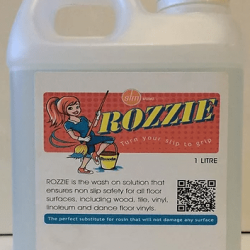
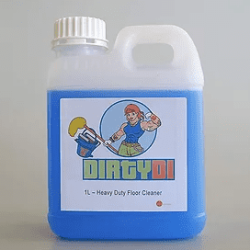
Choose the Right Cleaner: Select a floor cleaner specifically designed for vinyl dance floors. Avoid harsh chemicals that may damage the surface or alter its properties.
-
Follow Manufacturer Recommendations: Adhere to the cleaning recommendations provided by the vinyl manufacturer. Some vinyls may have specific care instructions that should be followed for optimal performance.
-
Regular Maintenance: Establish a routine cleaning schedule to prevent the accumulation of dirt and residue. Regular maintenance contributes to consistent performance.
- Test in Small Areas: Before widespread use, test the floor cleaner in a small, inconspicuous area to ensure compatibility with the vinyl and to observe any potential effects on speed or slip resistance.


Dance Floor Products
Dance Floor Products
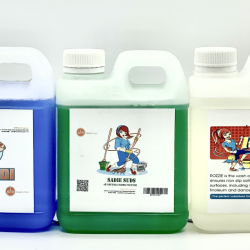
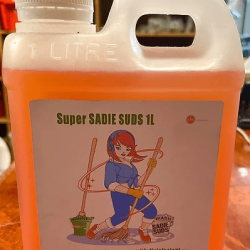
Dance Floor Products
While floor cleaners don’t change the inherent characteristics of the vinyl, they play a pivotal role in preserving its properties and ensuring a safe and consistent dance surface. Always prioritise the use of suitable products and follow recommended cleaning practices to maintain the performance of your dance vinyl.
